

Introduction
Artificial intelligence has transformed the way people work, learn, write, and solve problems. While ChatGPT remains one of the most popular AI assistants, many users are now searching for ChatGPT alternatives that offer different strengths, pricing, integrations, or specialized capabilities.
Whether you are a student, business owner, developer, content creator, or researcher, choosing the right AI assistant can improve productivity and simplify everyday tasks. Some AI chatbots excel at writing, while others focus on coding, business automation, research, or document analysis.
This guide is based on industry-recognized AI research, educational resources, and current technology developments.
What Are ChatGPT Alternatives?
ChatGPT alternatives are AI-powered chatbots and virtual assistants that provide capabilities similar to ChatGPT. They use advanced language models to understand natural language, answer questions, generate content, summarize documents, assist with programming, brainstorm ideas, and automate repetitive tasks.
Although many AI assistants share similar features, each has unique advantages. Some prioritize real-time web access, while others specialize in enterprise collaboration, coding support, creative writing, or academic research. Selecting the right tool depends on your workflow, budget, and goals.
Why Do People Look for ChatGPT Alternatives
No single AI assistant is perfect for every task. Different users have different priorities, including better pricing, stronger coding support, improved document handling, faster responses, privacy features, or tighter integration with business software.
Businesses may need AI that connects with workplace applications, while students often prefer tools that explain concepts clearly. Developers usually look for assistants that understand programming languages and generate reliable code. Writers and marketers often choose platforms with strong content creation and editing capabilities.
Best ChatGPT Alternatives in 2026
Google Gemini
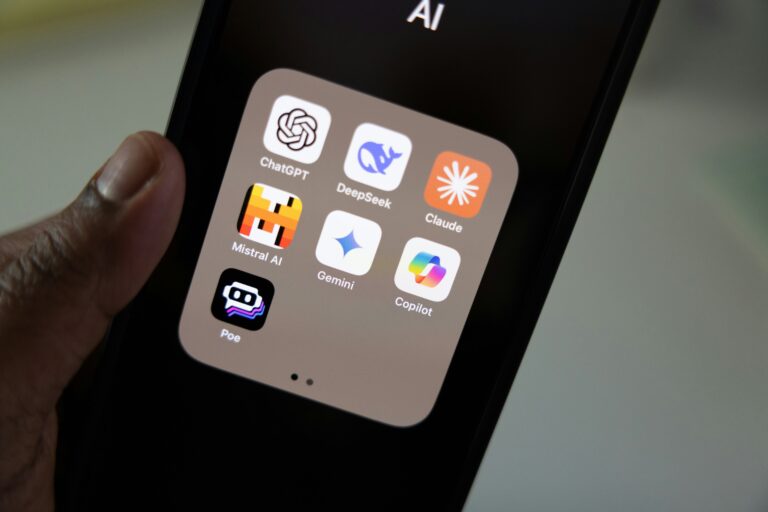
Google Gemini combines conversational AI with Google’s search ecosystem and productivity applications. It performs well for research, document creation, brainstorming, and data analysis. Users who rely heavily on Google Workspace often appreciate its seamless integration with Docs, Gmail, and Drive.
Microsoft Copilot
Microsoft Copilot is designed for professionals who work with Microsoft 365 applications. It helps create reports, summarize meetings, draft emails, analyze spreadsheets, and improve workplace productivity. Businesses using Windows and Microsoft Office benefit from its deep integration across the Microsoft ecosystem.
Claude
Claude focuses on producing thoughtful, detailed, and well-structured responses. It performs particularly well when working with long documents, research papers, contracts, and extensive conversations. Many users value its clear writing style and strong document understanding.
Perplexity AI
Perplexity AI is an AI-powered answer engine that combines conversational responses with current web information. It cites sources, making it useful for researchers, journalists, students, and professionals who need factual information supported by references.
DeepSeek
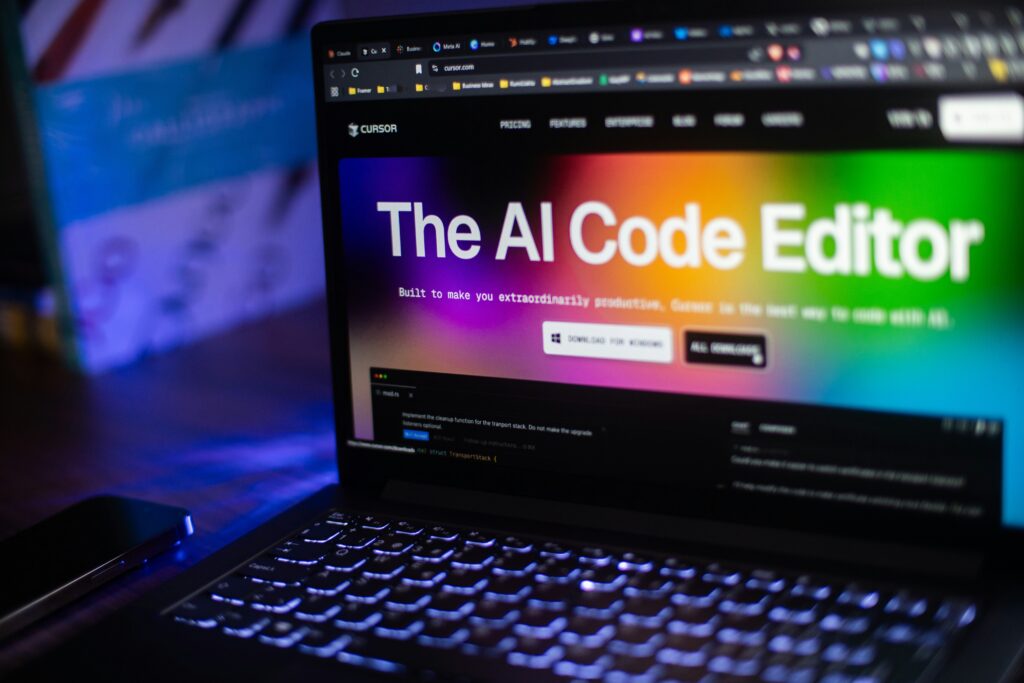
DeepSeek has gained attention for strong reasoning capabilities, mathematical problem-solving, and programming assistance. Developers frequently use it for debugging code, explaining algorithms, and generating technical documentation. check out and more on AI marketing tools click HERE
Comparing ChatGPT Alternatives
When evaluating AI assistants, consider several important factors. Response quality determines how accurate and useful the generated content is. Real-time internet access helps provide current information. Integration with existing software can significantly improve workflow efficiency.
Privacy policies, pricing, multilingual support, customization options, and collaboration features also influence which platform is the best fit for personal or professional use.
Rather than choosing the most popular tool, identify the assistant that aligns with your specific needs.
Common Use Cases
Modern AI assistants support a wide variety of tasks across industries.
Content creators use AI to generate blog posts, rewrite articles, create marketing copy, and develop social media content.
Students rely on AI to explain complex subjects, summarize textbooks, generate study guides, and practice problem-solving.
Developers use AI for writing code, debugging software, documenting projects, and learning new programming languages.
Businesses automate customer support, create reports, analyze data, prepare presentations, and improve team productivity through AI-powered workflows.
Researchers summarize scientific papers, organize information, compare sources, and accelerate literature reviews.
Benefits of Using ChatGPT Alternatives
Using multiple AI assistants allows users to choose the best tool for each task instead of depending on a single platform.
Many alternatives provide faster responses, specialized capabilities, improved collaboration, better document handling, or lower subscription costs. Competition also drives innovation, meaning users benefit from continuous improvements in language understanding, reasoning, and productivity features.
AI assistants reduce repetitive work, improve efficiency, encourage creativity, and help individuals accomplish more in less time.
Limitations and Challenges
Despite rapid progress, AI assistants are not perfect. They sometimes generate incorrect information, misunderstand complex requests, or produce outdated responses if they lack current data access.
Privacy is another important consideration. Users should avoid sharing confidential information unless they fully understand how the platform stores and processes data.
AI-generated content should always be reviewed by humans, especially for legal, financial, medical, academic, or business-critical decisions.
AI Trends Shaping ChatGPT Alternatives in 2026
The AI industry continues evolving rapidly. In 2026, many AI assistants support multimodal capabilities, allowing users to work with text, images, audio, documents, and increasingly, video.
Reasoning models have become more capable of solving complex problems through structured thinking. Businesses are also adopting AI agents that perform multi-step tasks automatically, reducing manual work.
Enterprise security, personalized AI experiences, improved memory, and workflow automation continue to shape the next generation of AI assistants.
How to Choose the Right ChatGPT Alternative
Start by identifying your primary objective. Writers benefit from assistants with strong language generation and editing capabilities. Developers should prioritize coding performance and debugging assistance. Researchers need accurate citations and web-connected information.
Evaluate pricing, ease of use, privacy policies, integration with your existing software, and customer support before making a decision. Testing several platforms often provides the clearest understanding of which AI assistant best matches your workflow.
Frequently Asked Questions
- What is the best ChatGPT alternative?
There is no universal best option. The right choice depends on whether you need help with writing, coding, research, education, or business productivity. Different AI assistants specialize in different areas.
- Are ChatGPT alternatives free?
Many platforms offer free plans with usage limits. Premium subscriptions generally provide faster performance, advanced models, larger usage limits, and additional productivity features.
- Which AI assistant is best for coding?
Several AI assistants perform well for programming, particularly those designed with strong reasoning and software development capabilities. The best option depends on your preferred programming language and workflow.
- Can AI replace human writers?
AI can assist writers by generating drafts, editing content, and suggesting ideas, but human creativity, experience, and critical thinking remain essential for producing high-quality, trustworthy content.
- Are AI assistants accurate?
Modern AI assistants are increasingly accurate, but they can still make mistakes. Important information should always be verified using trusted and authoritative sources.
- Which AI is best for businesses?
Businesses often choose AI platforms that integrate with workplace software, support collaboration, provide enterprise security, and automate repetitive tasks across departments.
- Can students use AI responsibly?
Yes. Students can use AI for learning, brainstorming, summarizing information, and understanding difficult concepts while ensuring that original work and academic integrity are maintained.
- Is my information private when using AI?
Privacy depends on the platform’s policies. Users should read privacy documentation carefully and avoid submitting confidential or sensitive information whenever possible.
- Will AI continue improving?
Yes. AI technology continues advancing rapidly, with improvements in reasoning, multimodal capabilities, automation, personalization, and enterprise applications expected throughout 2026 and beyond.
- Should I use more than one AI assistant?
Many professionals use multiple AI assistants because each platform offers unique strengths. Combining different tools often produces better results than relying on a single solution.
Disclaimer
Artificial intelligence develops rapidly, and features, pricing, capabilities, and availability may change over time. Readers should verify important information using official documentation and trusted technology sources before making decisions. This article is intended for educational purposes only and should not be considered professional technical, legal, financial, or business advice.
My Final say
The growing number of ChatGPT alternatives gives users more flexibility than ever before. Whether your goal is writing, programming, research, education, or business productivity, there is an AI assistant designed to support your workflow.
Instead of focusing solely on popularity, compare features, privacy, integrations, performance, and pricing to find the solution that best meets your needs. As artificial intelligence continues to evolve throughout 2026, learning how to use multiple AI tools effectively will become an increasingly valuable skill for individuals and organizations alike.