Optimus Robot: The Complete Guide to Tesla's Humanoid Robot and the Future of Human-Like Automation
Introduction
Optimus Robot ,The race to develop intelligent humanoid robots is accelerating, and few projects have attracted as much attention as the Optimus Robot. Developed by Tesla, Optimus is designed to perform tasks traditionally completed by humans while operating safely in environments built for people.
For decades, humanoid robots existed mainly in science fiction. Today, advances in robotics, computer vision, sensors, actuators, artificial intelligence, and autonomous systems are turning those ideas into reality. Optimus represents one of the most ambitious attempts to create a general-purpose humanoid robot capable of assisting humans in factories, warehouses, businesses, and eventually homes.
This guide is based on industry-recognized robotics research, engineering principles, educational resources, and current technology developments.
Whether you’re a technology enthusiast, business owner, student, investor, or simply curious about the future of robotics, this comprehensive guide explains everything you need to know about the Optimus Robot.
What Is the Optimus Robot?
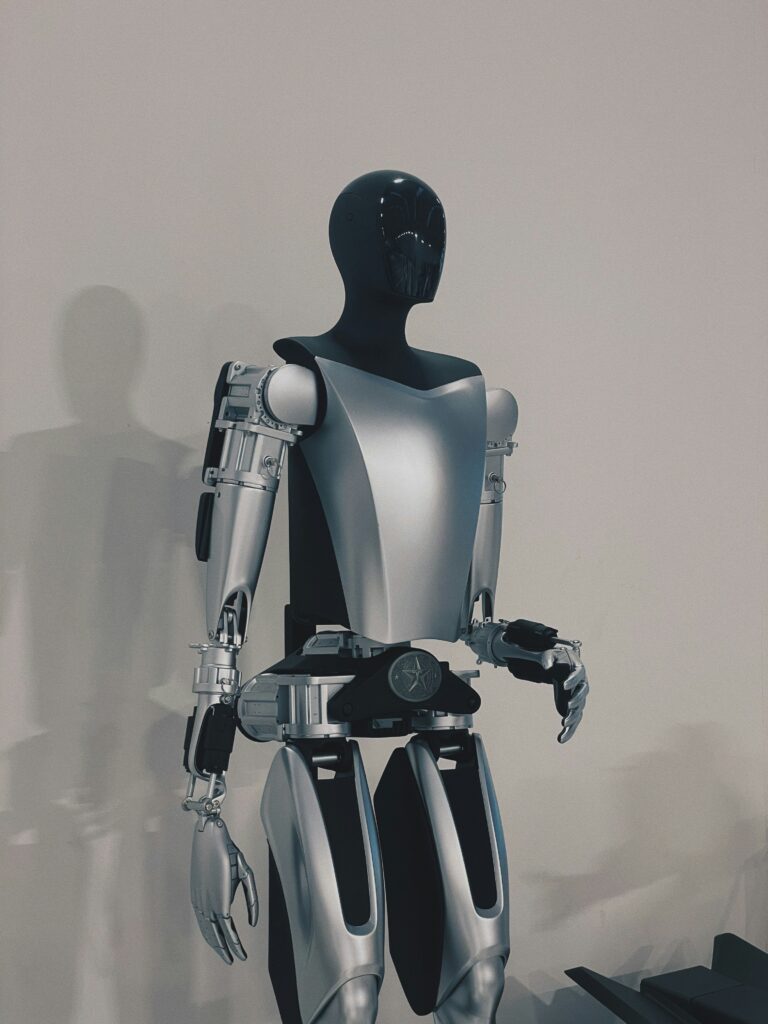
The Optimus Robot is a humanoid robot designed to mimic many human movements and tasks. Unlike traditional industrial robots that remain fixed in one location, Optimus is designed to walk, carry objects, manipulate tools, navigate environments, and work alongside people.
The robot combines advanced mechanical engineering with intelligent software systems that allow it to perceive its surroundings, make decisions, and perform physical tasks.
Tesla’s vision for Optimus extends far beyond manufacturing. The company aims to develop a robot capable of assisting people with repetitive, physically demanding, and potentially dangerous work while increasing productivity and improving safety.
What Is the Optimus Robot?
Why Was Optimus Created?
Many industries around the world face growing challenges:
- Labor shortages
- Rising operational costs
- Aging workforces
- Workplace safety concerns
- Increasing demand for productivity
The Optimus Robot was created to help solve these problems by providing a flexible robotic workforce capable of performing repetitive tasks efficiently and consistently.
Rather than replacing human creativity and decision-making, the goal is to automate routine physical labor and allow people to focus on higher-value activities.
How the Optimus Robot Works
At its core, Optimus operates through the combination of hardware and software systems working together in real time.
The robot constantly observes its environment through cameras and sensors. Information is processed by onboard computing systems that analyze surroundings, identify objects, understand movement, and determine the appropriate action.
Environmental Awareness
The robot gathers information from cameras and sensor systems to understand what is happening around it.
Object Recognition
Advanced vision systems help identify tools, equipment, packages, people, and obstacles.
Decision Making
Software determines how the robot should respond to changing situations.
Physical Movement
Electric motors and precision actuators control walking, lifting, carrying, balancing, and manipulation tasks.
Continuous Improvement
Software updates and ongoing development help improve the robot’s capabilities over time.
Optimus Robot in Warehousing and Logistics
Warehouses process millions of products every day.
The Optimus Robot could help improve efficiency by:
- Moving inventory
- Picking products
- Sorting packages
- Loading shipments
- Organizing storage areas
- Supporting order fulfillment
As global e-commerce continues growing, demand for intelligent warehouse automation is expected to increase substantially. learn more about What is Machine Learning HERE
Optimus Robot in Healthcare
Healthcare organizations face staffing shortages and increasing patient demands.
While robots cannot replace medical professionals, they may assist with routine operational tasks.
Potential healthcare applications include:
- Delivering supplies
- Transporting equipment
- Assisting hospital logistics
- Supporting healthcare staff
- Helping with administrative workflows
This support could allow healthcare professionals to spend more time focusing on patient care.
Optimus Robot in Education
Educational institutions increasingly use advanced technologies to enhance learning experiences.
Humanoid robots could serve as:
- Interactive learning tools
- Robotics education assistants
- STEM teaching platforms
- Research assistants
- Demonstration systems
Students can gain valuable exposure to emerging technologies while developing future-ready skills.
Potential Home Applications
One of the most ambitious goals for Optimus is home assistance.
Future versions may help with:
- Carrying household items
- Basic cleaning tasks
- Organizing spaces
- Assisting elderly individuals
- Supporting people with mobility limitations
Although this vision remains under development, it represents a major opportunity for the robotics industry.
Benefits of the Optimus Robot
Increased Productivity
Robots can perform repetitive tasks consistently and efficiently.
Improved Workplace Safety
Dangerous or physically demanding activities can be delegated to machines.
Operational Efficiency
Businesses may improve workflows through intelligent automation.
Scalability
Organizations can potentially deploy robots across multiple facilities.
Labor Support
Robots can help address workforce shortages in key industries. also check how robots help in Logistics click HERE
Challenges Facing Optimus
Despite its promise, significant challenges remain.
Technical Complexity
Humanoid robotics is one of the most difficult fields in engineering.
Cost
Developing and producing advanced robots requires substantial investment.
Safety Requirements
Robots must operate safely around people.
Regulatory Oversight
Governments may introduce regulations governing robotic systems.
Public Acceptance
Widespread adoption depends on trust and confidence in robotic technologies.
Successfully addressing these challenges will play a major role in determining the long-term success of humanoid robots.
Optimus vs Traditional Industrial Robots
Traditional industrial robots are powerful but limited.
Most operate in fixed locations performing repetitive actions. Optimus is designed for greater flexibility and mobility.
Feature | Industrial Robots | Optimus Robot |
Mobility | Limited | High |
Adaptability | Low | High |
Human Interaction | Minimal | Extensive |
Environment | Controlled | Human-Centered |
Task Variety | Narrow | Broad |
This flexibility is what makes humanoid robots particularly exciting for future applications.
The Future of Optimus Robot
The future of Optimus Robot is closely tied to advances in robotics, computing, energy systems, sensors, and autonomous technologies.
Industry experts expect future generations to feature:
- Better mobility
- Improved dexterity
- Faster processing
- Longer battery life
- More natural communication
- Enhanced task capabilities
As technology matures, humanoid robots may become common in workplaces across manufacturing, logistics, healthcare, retail, and service industries.
Long term, robots like Optimus could fundamentally change how work is performed and how humans interact with intelligent machines.
Frequently Asked Questions
What is Optimus Robot?
Optimus Robot is Tesla’s humanoid robot designed to perform human-like physical tasks using advanced robotics, sensors, computer vision, and autonomous systems.
What is the purpose of Optimus?
The primary goal is to assist humans with repetitive, physically demanding, and potentially dangerous work while improving productivity and safety.
Can Optimus walk like a human?
Yes. Optimus is designed with legs and balance systems that allow it to move through environments built for people.
Where can Optimus be used?
Potential applications include factories, warehouses, hospitals, schools, offices, retail environments, and eventually homes.
Is Optimus available for consumers?
Large-scale consumer availability remains a long-term goal as development continues.
Disclaimer
Technology evolves rapidly, and robotic capabilities continue to improve over time. Information presented in this article is intended for educational purposes only. Readers should verify important information through official announcements, trusted industry sources, and professional guidance when making technology-related decisions.
Final Thoughts
The Optimus Robot represents one of the most ambitious projects in modern robotics. By combining advanced engineering, autonomous systems, computer vision, intelligent sensors, and human-centered design, Tesla is working toward a future where humanoid robots become practical assistants in everyday life.
While challenges remain, the potential impact of Optimus is enormous. From manufacturing and logistics to healthcare and home assistance, humanoid robots could transform industries, improve productivity, and redefine the relationship between humans and machines.
As robotics technology continues advancing throughout 2026 and beyond, Optimus remains one of the most important projects to watch in the global automation industry.