

Introduction
Artificial Intelligence is advancing much faster than traditional academic textbooks can keep up, and nowhere is this shift more evident than in the American medical system. Throughout my technical education, our classroom studies were heavily focused on standard software development, relational databases, and network administration. While mastering those foundational systems was a great stepping stone, the real breakthroughs happen when you deploy smart machine learning algorithms to actually utilize that data.
In a standard classroom setting, you learn how to configure servers to hold electronic health records securely. In the real world, hospital networks do not just want to store that information on a hard drive. They want to use artificial intelligence to analyze patient records, catch warning signs early, and speed up clinical diagnoses. This guide explores exactly how AI is transforming healthcare in the USA, mapping out the practical ways modern technology is reshaping patient care and clinical workflows from the ground up.
Table of Contents
- Understanding AI in Healthcare
- Improving Disease Diagnosis
- Transforming Medical Imaging
- Personalized Patient Care
- Drug Discovery and Development
- Clinical Decision Support
- Telemedicine and Virtual Care
- Hospital Management and Efficiency
- Predictive Healthcare and Prevention
- AI in Healthcare Cybersecurity
- Improving Healthcare Accessibility
- Medical Research and Innovation
- Challenges and Ethical Concerns
- AI Trends in Healthcare for 2026
- The Future of AI in American Healthcare
1. Understanding AI in Healthcare
Artificial Intelligence refers to computer systems capable of performing tasks that typically require human intelligence, such as learning, reasoning, problem-solving, and decision-making. In healthcare, AI technologies are designed to analyze medical data, identify patterns, predict outcomes, and assist healthcare professionals in delivering more accurate and efficient care.
Unlike traditional software programs that follow fixed instructions, AI systems learn from large datasets using advanced algorithms. This ability allows them to continuously improve their performance over time. For example, an AI system trained on thousands of medical images can learn to recognize signs of disease with increasing accuracy.
Healthcare organizations throughout the United States are adopting AI because it can process information much faster than humans while reducing the risk of errors. Although AI does not replace doctors, nurses, or medical specialists, it serves as a powerful tool that enhances their capabilities and helps them make better decisions.
2. Improving Disease Diagnosis
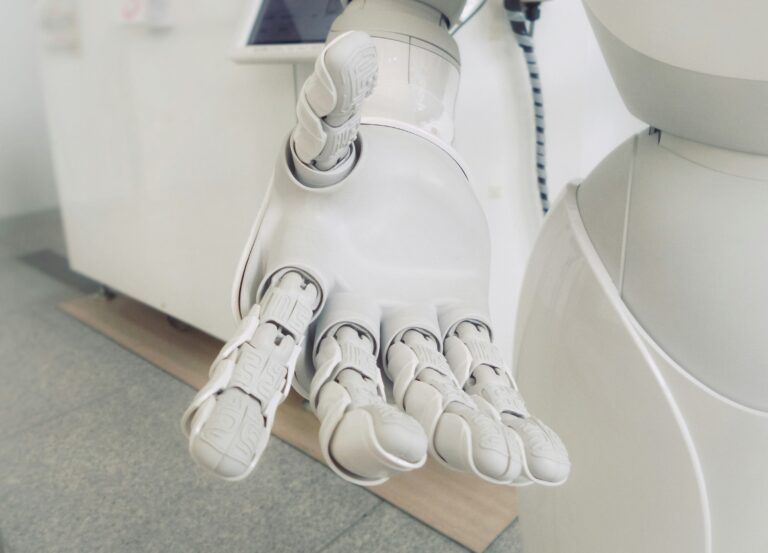
Artificial intelligence in heaitcare in USA isOne of the most important ways AI is transforming healthcare in the USA is through improved disease diagnosis. Early detection often plays a critical role in successful treatment, and AI technologies are helping healthcare providers identify diseases more quickly and accurately than ever before.
Machine learning algorithms can analyze patient records, laboratory results, genetic information, and medical imaging data to identify patterns associated with specific diseases. These systems help doctors detect conditions such as cancer, diabetes, heart disease, and neurological disorders at earlier stages.
By providing an additional layer of analysis, AI reduces the chances of missed diagnoses and supports healthcare professionals in making evidence-based decisions. This leads to better patient outcomes, more effective treatments, and improved overall healthcare quality.
3. Transforming Medical Imaging
Artificial intelligence in Healthcare in USA Medical imaging is one of the most successful applications of Artificial Intelligence in healthcare. Radiologists often review hundreds of images daily, making the process time-intensive and demanding. AI-powered imaging tools help streamline this process by analyzing scans rapidly and identifying abnormalities that may require further investigation.
These systems can assist in detecting tumors, fractures, infections, and other medical conditions through X-rays, MRIs, CT scans, and mammograms. AI can highlight suspicious areas, allowing radiologists to focus their attention where it is needed most.
The result is faster diagnosis, reduced workload for healthcare professionals, and improved patient care. In emergency situations, quicker image analysis can significantly impact treatment decisions and potentially save lives.
4. Personalized Patient Care
Modern healthcare increasingly focuses on providing personalized treatment plans tailored to individual patients. Artificial Intelligence makes this possible by analyzing extensive patient data, including genetics, medical history, lifestyle factors, and treatment responses.
AI systems can identify which treatments are likely to be most effective for specific individuals, reducing trial-and-error approaches and improving outcomes. Personalized medicine enables healthcare providers to deliver targeted therapies while minimizing unwanted side effects.
As precision medicine continues to advance, AI will play an even greater role in helping doctors create customized healthcare strategies that address each patient’s unique needs.
5. Drug Discovery and Development
How Is AI Transforming Healthcare in the USA ,Developing nemedicines traditionally requires significant time, resources, and financial investment. Artificial Intelligence is helping pharmaceutical companies accelerate the drug discovery process by identifying promising compounds and predicting their effectiveness.
AI can analyze vast amounts of biological and chemical data to uncover patterns that researchers might otherwise miss. This capability shortens research timelines, reduces development costs, and increases the likelihood of discovering successful treatments.
The integration of AI into pharmaceutical research has the potential to bring life-saving medications to market faster while supporting innovation across the healthcare industry.
6. Clinical Decision Support
Artificial intelligence in USA Healthcare professionals regularly face complex decisions involving diagnosis, treatment selection, and patient management. AI-powered clinical decision support systems assist by analyzing large volumes of medical data and presenting evidence-based recommendations.
These systems help identify potential risks, suggest treatment options, and alert clinicians to possible medication interactions. By supporting informed decision-making, AI improves healthcare quality while reducing the likelihood of medical errors.
Importantly, AI serves as a support tool rather than a replacement for human expertise, ensuring that final decisions remain in the hands of qualified healthcare professionals.
7. Telemedicine and Virtual Care
Telemedicine has become an essential component of healthcare delivery in the United States, particularly in remote and underserved communities. Artificial Intelligence enhances telemedicine by providing virtual assistants, symptom checkers, and intelligent patient support systems.
Patients can receive preliminary health guidance, schedule appointments, and access healthcare resources without needing to visit a medical facility. AI-powered systems also assist healthcare providers by managing patient inquiries and monitoring symptoms remotely.
These innovations improve accessibility, reduce wait times, and help healthcare organizations serve larger populations more efficiently.
8. Hospital Management and Efficiency
Beyond patient care, AI is transforming hospital operations by improving efficiency and reducing administrative burdens. Healthcare facilities use AI to optimize staffing schedules, manage resources, forecast patient admissions, and streamline workflows.
By automating routine tasks, healthcare professionals can spend more time focusing on patient care rather than paperwork. Improved operational efficiency also helps reduce healthcare costs while enhancing the patient experience.
As hospitals continue to face staffing shortages and increasing demand, AI-driven solutions are becoming valuable tools for maintaining high-quality services.
9. Predictive Healthcare and Prevention
Predictive healthcare focuses on identifying health risks before serious complications develop. Artificial Intelligence enables this approach by analyzing historical patient data and identifying patterns associated with future health conditions.
For example, AI can help predict the likelihood of developing chronic illnesses such as diabetes, heart disease, or hypertension. Early identification allows healthcare providers to implement preventive measures and encourage healthier lifestyles.
Preventive healthcare supported by AI has the potential to reduce hospitalizations, lower treatment costs, and improve long-term health outcomes across the population.
10. AI in Healthcare Cybersecurity
Healthcare organizations manage highly sensitive patient information, making cybersecurity a critical concern. AI-powered security systems help protect medical data by detecting unusual activity, monitoring network traffic, and identifying potential threats in real time.
As cyberattacks become increasingly sophisticated, healthcare providers rely on AI to strengthen security measures and prevent data breaches. Protecting patient information remains essential for maintaining trust and complying with privacy regulations.
Strong cybersecurity practices supported by Artificial Intelligence help ensure the safe and secure operation of modern healthcare systems.
11. Improving Healthcare Accessibility
Artificial Intelligence is helping make healthcare more accessible to diverse populations throughout the United States. AI-powered translation tools, virtual assistants, and remote monitoring technologies enable healthcare providers to reach patients regardless of language barriers or geographic location.
These innovations improve communication, support underserved communities, and reduce healthcare disparities. By expanding access to quality care, AI contributes to a more inclusive healthcare system.
12. Medical Research and Innovation
Medical research generates enormous quantities of data that can be difficult to analyze manually. Artificial Intelligence enables researchers to process this information quickly and identify meaningful insights.
Researchers use AI to study diseases, analyze genetic information, evaluate treatment effectiveness, and uncover new opportunities for medical breakthroughs. These capabilities accelerate scientific discovery and support the development of innovative healthcare solutions.
13. Challenges and Ethical Concerns
Despite its benefits, AI presents important challenges that healthcare organizations must address. Concerns include data privacy, algorithm bias, transparency, accountability, and ethical decision-making.
Healthcare providers must ensure AI systems are trained on diverse and accurate data while maintaining strong governance practices. Responsible AI development is essential for protecting patient rights and ensuring fair healthcare outcomes.
14. AI Trends in Healthcare for 2026
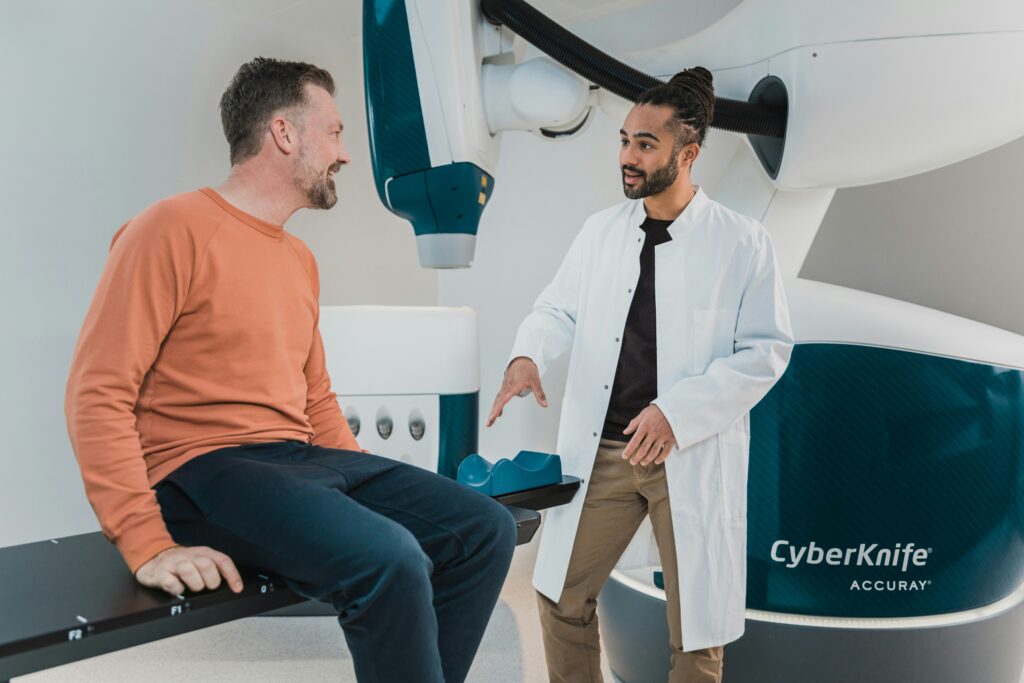
Several emerging trends are shaping healthcare in 2026. Generative AI is assisting with medical documentation, patient communication, and administrative tasks. Large Language Models are helping healthcare professionals access information more efficiently and automate workflows.
Wearable devices powered by AI continue to advance, enabling real-time monitoring and early disease detection. These innovations are expected to drive further improvements in patient care and healthcare delivery.
15. The Future of AI in American Healthcare
The future of Artificial Intelligence in healthcare is incredibly promising. As technology continues to mature, AI will become increasingly integrated into diagnostics, treatment planning, research, preventive care, and healthcare management.
Future advancements may include highly personalized medicine, intelligent healthcare assistants, enhanced robotic surgery, and faster medical discoveries. While AI will not replace healthcare professionals, it will continue to augment their capabilities and improve patient outcomes.
Healthcare organizations that embrace AI responsibly will be better positioned to meet growing healthcare demands while delivering safer, more efficient, and more effective care.
Also read about AI in business HERE
Final Thoughts
Artificial Intelligence is transforming healthcare in the USA at an unprecedented pace. From improving diagnostics and accelerating drug development to enhancing cybersecurity and expanding healthcare access, AI is reshaping the future of medicine. As innovations continue to emerge, understanding these technologies becomes increasingly important for healthcare professionals, patients, and technology enthusiasts alike. The journey of AI in healthcare is only beginning, and its potential to improve lives remains enormous.


Hello am interested with your content and am happy keep posting it